

Why We Bond with Chatbots: The Psychology Behind AI Mental Health Tools
In 1956, researchers Horton and Wohl described something they had noticed about television audiences: people were forming genuine emotional bonds with personalities they had never met and never would. They felt affection, familiarity, even concern for figures who had no awareness of their existence. Horton and Wohl called these parasocial relationships and at the time the phenomenon was mostly treated as a curiosity of broadcast media.

Self-aware AI…or Just Reasoning Machines?
When the Terminator films first depicted Skynet becoming self-aware, the moment was presented as a turning point not only for humanity, but for the idea of intelligence itself. In the film, this “self-awareness” meant more than simply processing information or adapting to input. It signified the recognition of one’s own existence, the ability to formulate independent goals and the emergence of a self-preservative instinct.
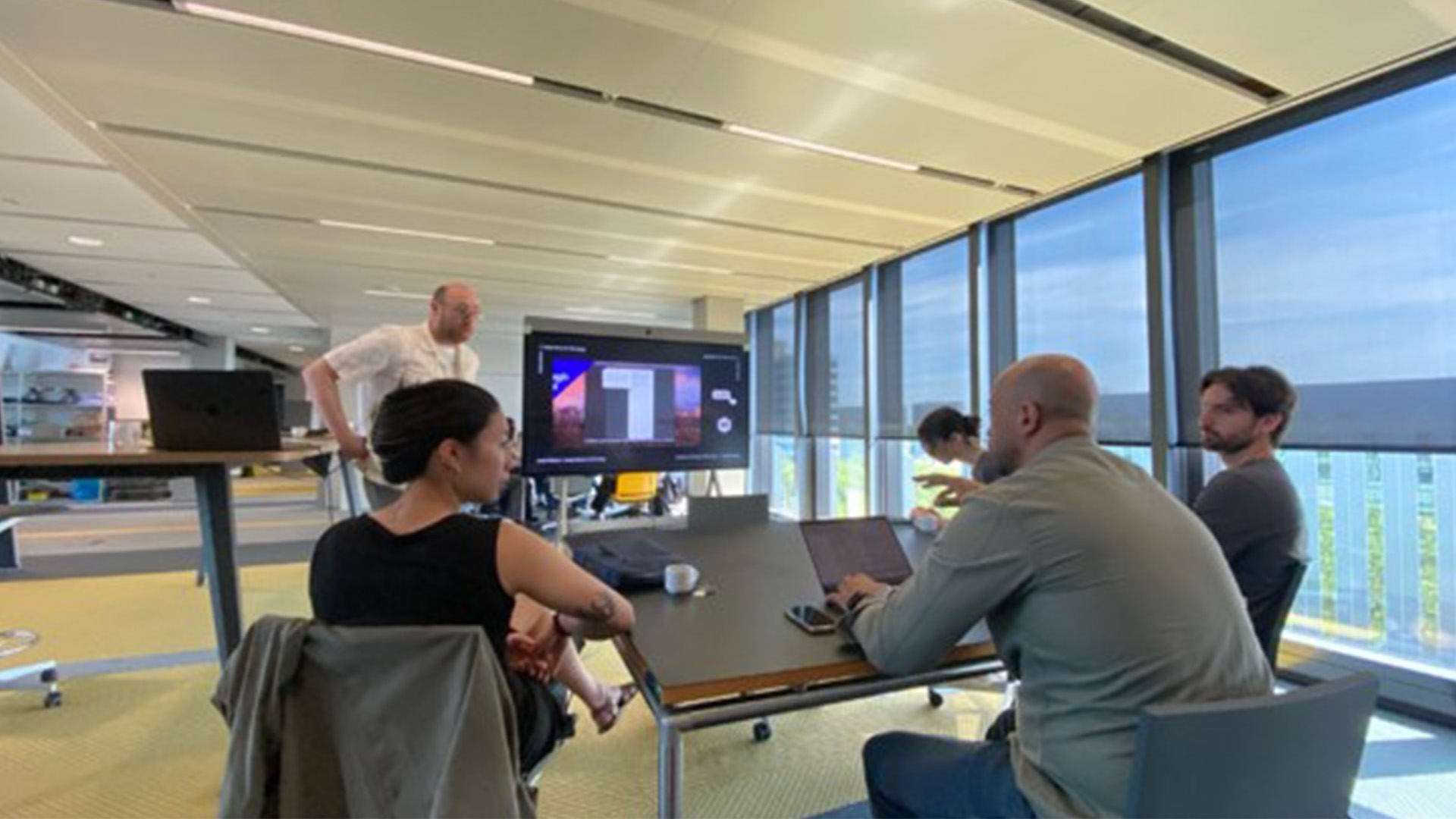
alignAI’s Third Seasonal School in Eindhoven Puts Explainability and Fairness at the Centre of LLM Design
From 15 to 19 June 2026, the alignAI Doctoral Network held its third Seasonal School in Eindhoven. The five-day program was organised by researchers and staff of Eindhoven University of Technology (TU/e), and co-hosted by TU/e and the Jheronimus Academy of Data Science (JADS). Sixteen alignAI doctoral candidates (DCs) took part, together with three principal investigators, additional researchers and staff members.

Who Reads the News? On Asking and Reading in the Age of Conversational AI
For most of the history of modern journalism, “reading the news” has been understood as an active, often solitary, one to one encounter between a reader and an author’s text. Even in its most passive forms, such as scrolling through a feed and browsing through headlines in the morning, reading implied a degree of direct contact with journalistic output, hence with the words a journalist chose, the framing an editor approved and the story a newsroom decided to publish.
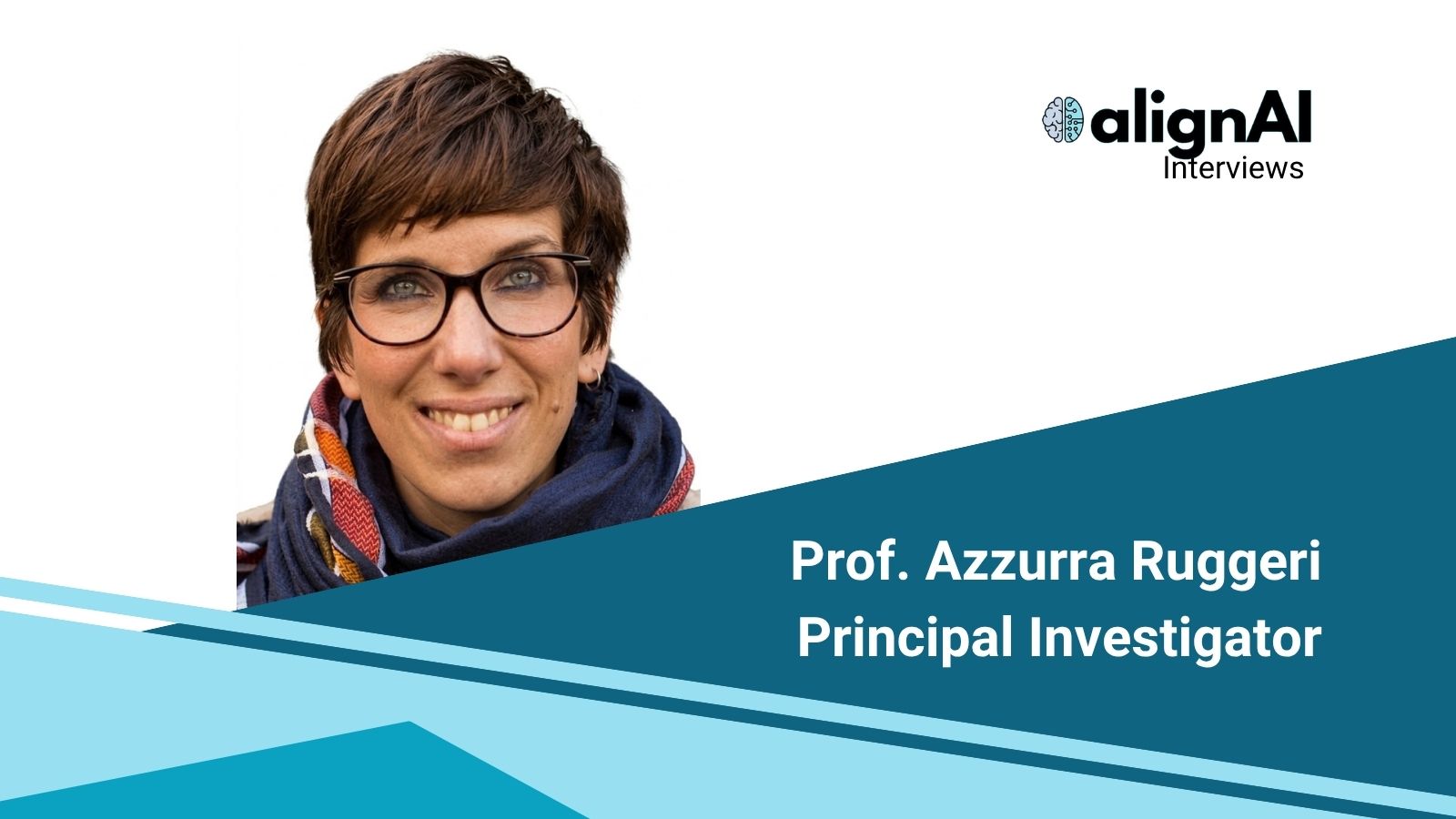
Q&A with PI Azzurra Ruggeri
In this video interview, we speak with Prof. Azzurra Ruggeri, Principal Investigator at the Max Planck Institute for Human Development and Associate Professor of Cognitive and Developmental Psychology at TUM. She introduces herself and her research on how children actively seek information and develop effective learning strategies, and presents her doctoral candidates and their research.

Trust and Privacy: How Are They Being Perceived by Users and Developers?
alignAI doctoral candidate Mohaned Bahr, was an invited panelist at the AI forum “From Silicon Valley to the Nile Valley,” organised by the U.S. Embassy, at the Nile Ritz Carlton in Cairo, on 21 July 2026. The forum brought together a diverse group of speakers to discuss AI policy issues, including socioeconomic impacts, youth engagement and media development.